Tag: vampires

  • “Well, I’m Not A Vampire…

    but I feel like one / Sometimes I sleep all day / Because I hate the sunlight.” I don’t think I had heard about Falling in Reverse before but they came up on Spotify, I’m Not A Vampire was the first song title I saw, I listened to it and was hooked.

    The song is about addiction actually but the lyrics really resonated with me. I’ve had occasions when I’ve slept all day and hated the sun but in my case it was because my depression had worsened. It was such a weird feeling, to hate the daylight, find the sun repulsive and crave darkness…

    I heard the revamped version first and watched the video as well. It’s so beautifully done it’s practically a short film. Then I checked out the original version and loved it even more. I’ve lost count how many times I’ve listened to the tune in the last few days.
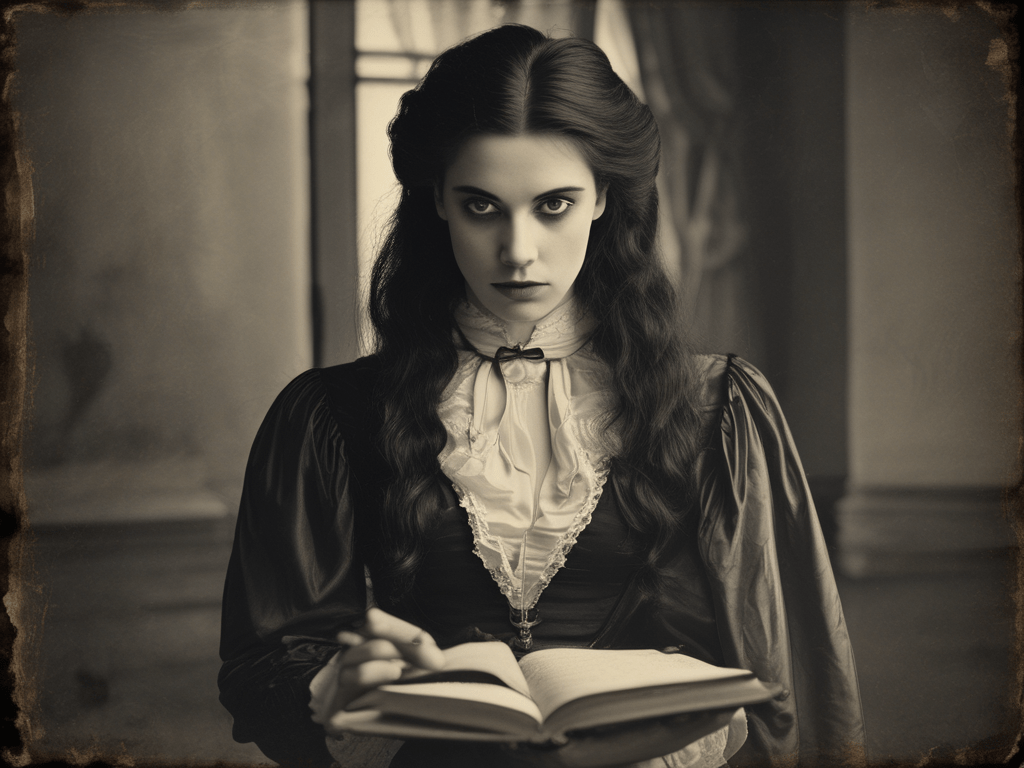
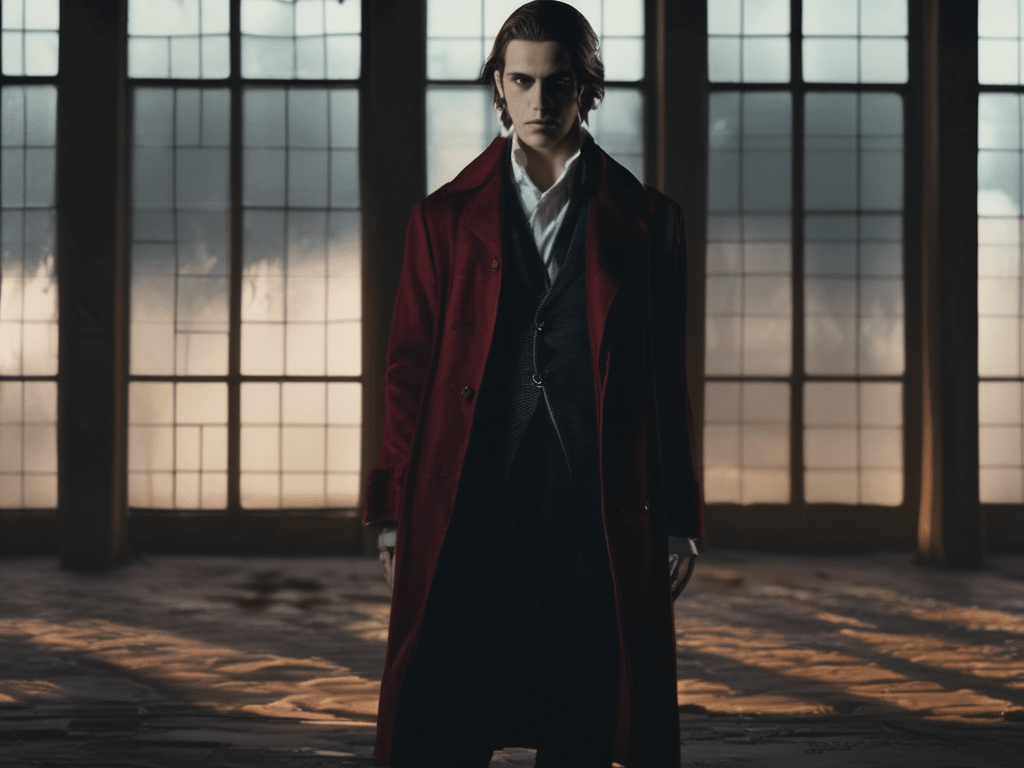
  • What Do Vampires Look Like?

    I read Sheridan Le Fanu’s Carmilla recently and there was a quote that I particularly liked: “I may mention, in passing, that the deadly pallor attributed to that sort of revenants, is a mere melodramatic fiction. They present, in the grave, and when they show themselves in human society, the appearance of healthy life.”

    Now, I understand why there are certain characteristics and aesthetics associated with vampires. In film and TV, it helps to highlight who’s who. On social media, it helps vampire fans to recognise and find each other.

    Yet it makes a lot of sense that vampires would look pretty much like humans. They’re predators and hunters and need to get close to their victims. In order to do that, they either need to be really fast or gain their trust. Also, having very distinctive looks is not very practical for a quick getaway and living in the shadows.

    One of my favourite TV shows that features these mythical creatures is BBC’s Being Human, in which vampire characters were virtually indistinguishable from humans. By the time they revealed their true nature, it was too late. I also liked that no-one seemed to be stuck in the past fashion wise. Mitchell, one of the protagonists, was over a hundred years old but always wore whatever styles were available in each decade he lived. You couldn’t tell by looking at him that he was born on July 29, 1893 (no, I didn’t plan this post especially to mark the occasion, it was a pure coincidence!).

  • The Black Vampyre & Carmilla

    The Black Vampyre & Carmilla

    I never run out of books to read. In fact, I have 50+ unread books at the moment on my shelves, but that doesn’t stop me from buying some more. The latest additions are two 19th century vampire stories: Sheridan Le Fanu’s Carmilla and Uriah Derick D’Arcy’s The Black Vampyre.

    I chose them because I’m working on my next vampire novels that are set in the 19th century and reading books from that historical period helps me get into the mood. I also pay close attention to the language, to how people addressed each other and how they described the world around them. Whilst I don’t want to sound like a 19th century author, I don’t want to sound too modern either.

    I haven’t started reading Carmilla so I cannot provide any feedback at the moment. I chose it because this 1870s novel inspired Dracula and the vampire is female.

    The Black Vampyre (1819) I have read. It sounded very promising: the first black vampire story and the first comedic vampire story that also had a revolution going on in the background. The main character is a slave who transforms into a vampire after being killed by his captor and seeks revenge. So far, very promising. Yet I was left with mixed feelings. The plot summary was better written than the story, in my opinion. If I were reading this in the 1820s then I would have been excited for this was an entirely new genre and I love a good revenge story. However, I was reading this as a modern reader (that is difficult to surprise). The author (whose true identity remains unclear) wrote the Black Vampyre as a response to John William Polidori’s The Vampyre. Polidori’s story became a sensation and what usually happens when something becomes a sensation? Many others try to create something similar. Personally, I found the language in The Black Vampyre difficult to follow but maybe that’s because it’s written in English as it was spoken in the United States 200 years ago. Overall, it was an interesting reading experience.

    I’m also planning to read The Pale Lady by Alexandre Dumas père. I had no idea that the author of The Musketeers and The Count of Monte Cristo had also written a vampire story!

  • Vampires & Religion

    Vampires & Religion

    I recently finished reading The Vampire Armand by Anne Rice. Whilst I really enjoyed 2/3 of the book which focused on Armand’s different lives through the centuries, I started losing interest when his story returned to the 1990s. I simply couldn’t understand his obsession with Christian relics and Christianity in general. To me, vampires and religion do not mix. My own vampires turn their back to any religion after their transformation. They do believe in a higher power but they understand that their existence goes against the eternal cycle of life and death: everything that is born passes away some time later. They’ve cheated death and therefore there is no God available to them, they’re completely on their own.

    To each their own, obviously. Vampire literature would be boring if all writers had the same beliefs and there would be a strict canon.

    And yet I struggled. The thing is, I was born in an atheist country where religion was banned and grew up in a secular state. We did have some Bible lessons at school but I quickly realised Christianity was not for me. Therefore, to this day, I know very little about it. When Armand was in ruptures about Veronica’s Veil I had to Google it because I had no idea what it is and why it’s significant.

    So, when Pandora (who was born in Ancient Rome) didn’t share his excitement and Armand asked why, I shouted out loud when she said that Christ was never her Lord. Same thing, Pandora, same thing!

    But, as I wrote earlier, everyone’s different. And I did enjoy most of the book…